
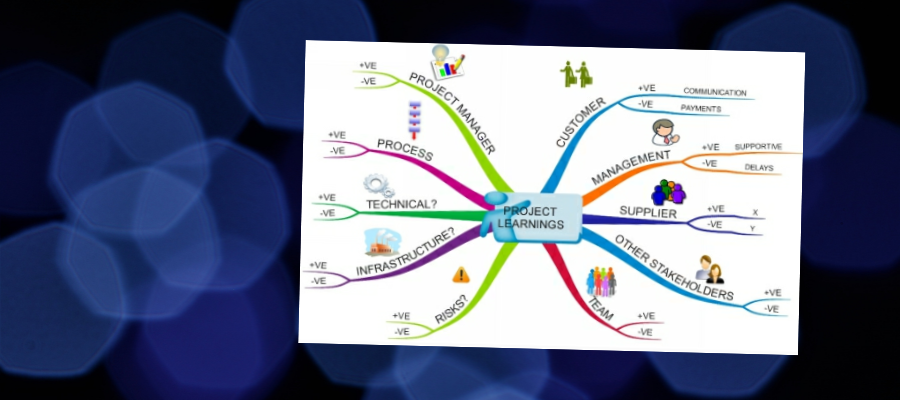
Maneesh Dutt is one of the world’s most knowledgeable people when it comes to mind mapping and project management. So I was especially excited to explore his seminal book on this topic.
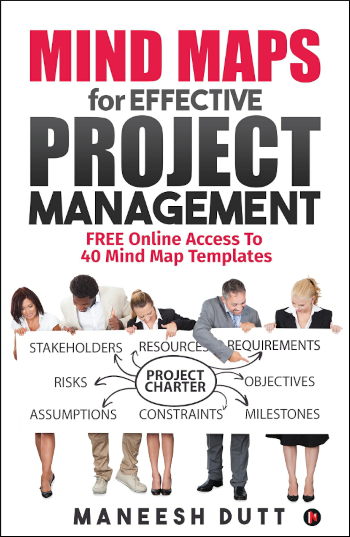 Mind Maps for Effective Project Management begins with an overview of modern project management and explains why mind mapping is a perfect partner for it. He points out something that most people rarely if ever think about: a project is first and foremost a creative endeavor:
“The project manager is beginning with a blank slate and possesses complete freedom like an artist to bring the canvas to life,” he explains.
I’ve always made the point that mind maps enable a step in project management that dedicated project management tools tend to ignore: project design. At the beginning of any project, the manager in charge of it must collect a variety of inputs, including the expectations of all stakeholders, resources available, project objectives and more. From this mountain of information, they must craft a plan for bringing the project to life.
What better way to bring clarity from it than a mind map?
Building a strong foundation for project management with mind maps
Next, Maneesh connects mind mapping to two popular project management frameworks – PMBOK (the Project Management Body of Knowledge) and Agile. For those readers who may not have created a mind map before, he outlines a simple process to create one.
Next, he demonstrates how you can easily create mind maps to manage five key areas of project success outlined in the PMBOK:
- Leading
- Communicating
- Negotiating
- Problem solving
- Influencing the organization
This section of the book is especially rich in valuable advice, as Maneesh uncovers uses for mind maps that I would have never considered. Examples include creating a cost-benefit analysis map and creating one to capture learnings, opportunities for improvement and a repository for new ideas throughout the course of the project.
Maneesh also walks the reader through each major phase of the project management process – birth, execution and closure – and shares mind maps that can help you organize and elevate your thinking and planning. Once again, he goes into levels of detail I never realized existed – very valuable!
40 mind map templates for exceptional project management
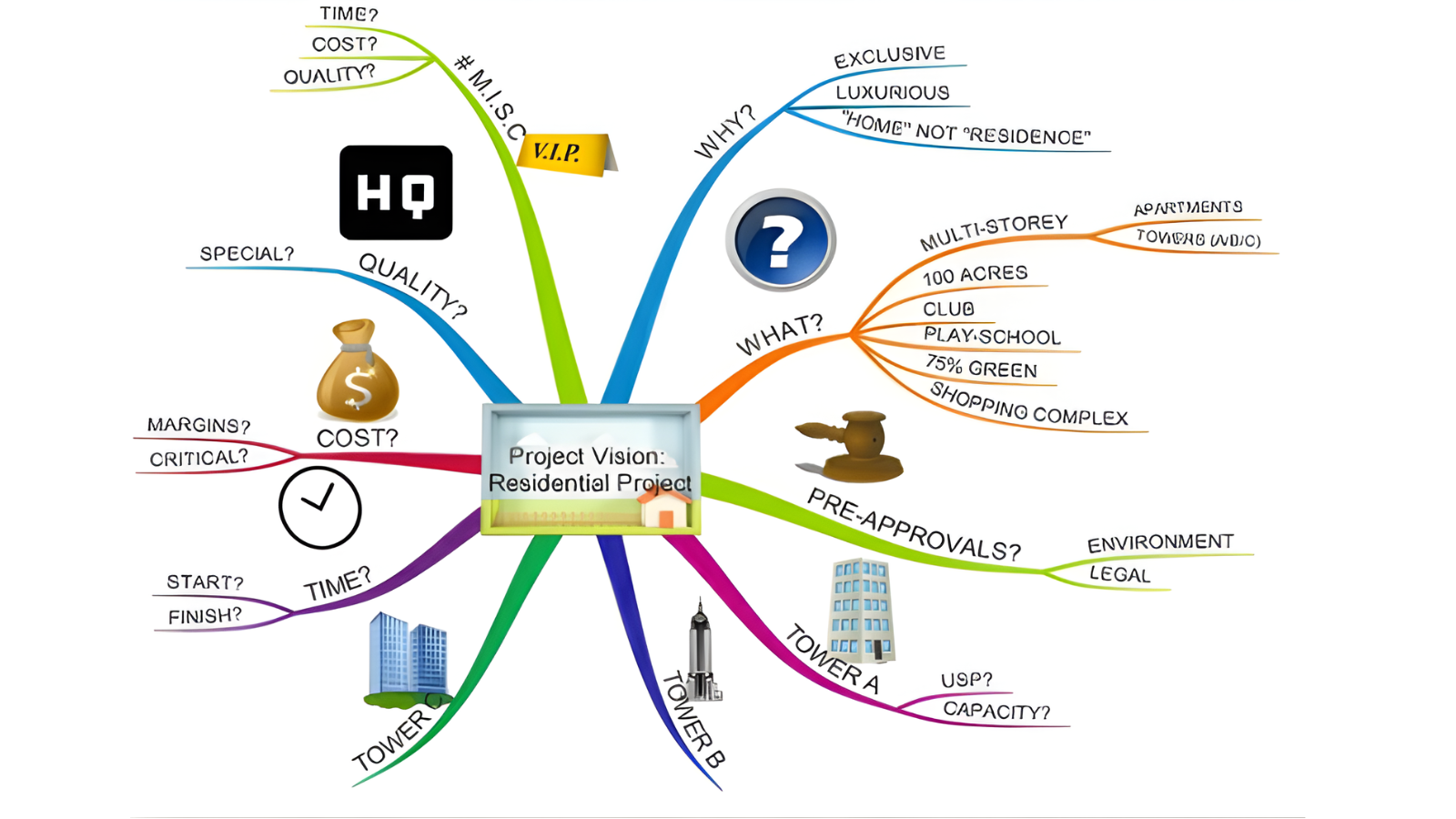
Woven throughout the fabric of this highly informative book are 40 mind map templates that you can use to inspire your own project thinking, planning and execution. Here is a full list of them:
- Developing a Project Vision
- Defining a Project Communication Plan
- Benefit versus Cost Analysis for multiple scenarios during negotiation
- Negotiation using the principles in “Getting to Yes” by Roger Fisher
- Problem Solving using 5 W and 1 H method
- Building a Customer Landscape
- Capturing Learning, Opportunities for Improvement during the project
- Time Management based on Steven Covey’s Importance-Urgency matrix
- Managing Ambiguity
- Project Feasibility Analysis
- Identifying Assumptions in a Project.
- Project Benefit Analysis
- Defining a Project Charter
- Using Mind Maps to effectively apply Kano’s Model
- Capturing the Project Scope
- Top level Milestone Reporting
- Delphi process for Estimating Project Cost
- Project Costing
- Skill Set Gap Analysis
- Communicating a Project Vision
- Stakeholders Communication Need Analysis
- Capturing Risks & Opportunities by Milestones
- Preparing and Conducting a Teleconference
- Effective Conflict Resolution
- Capturing and Communicating Emotions during a Project Lifecycle
- Impact Analysis of a Change to the project
- Tracking Individual Resources Activities
- Reporting and Monitoring Project Critical Path
- A “Directional” Mind Map for use as a Project Dashboard in Agile Scrum
- Quality Planning
- Cause Effect Analysis
- Investigative approach in Quality Control
- Quality Assurance via Deming’s Cycle
- Risk & Opportunities Identification
- Managing Procurement
- Make” or “Buy’ Decision
- Project Pendency Checklist
- Capturing Project Learning at Closure
- Effective Retrospective Meets
- Project Portfolio Management using Mind Maps
Each one is clearly and concisely explained. For me, this was the most valuable part of the book – understanding all that mind maps make possible within the context of project management.
Conclusion
If you’ve ever been curious about the ways in which mind maps can improve and elevate the project management process, this book is the ultimate guide. Maneesh does an excellent job of explaining in layman’s terms all that this potent combination makes possible.
One minor complaint: The book cover proclaims that it offers online access to 40 mind map templates. But the Kindle version of the book I downloaded didn’t contain links to them. This book was published in 2015, which may explain why. But each of the illustrations is simple enough that you can easily recreate each map in your application of choice.
What’s important to understand is the thinking behind each of them, the elements they contain and why they’re important. The book does a great job of explaining all of that, which makes it easier to build your own versions of them. So the lack of downloadable templates is actually a very minor complaint.
I highly recommend Mind Maps for Effective Project Management.
Leave a Reply